
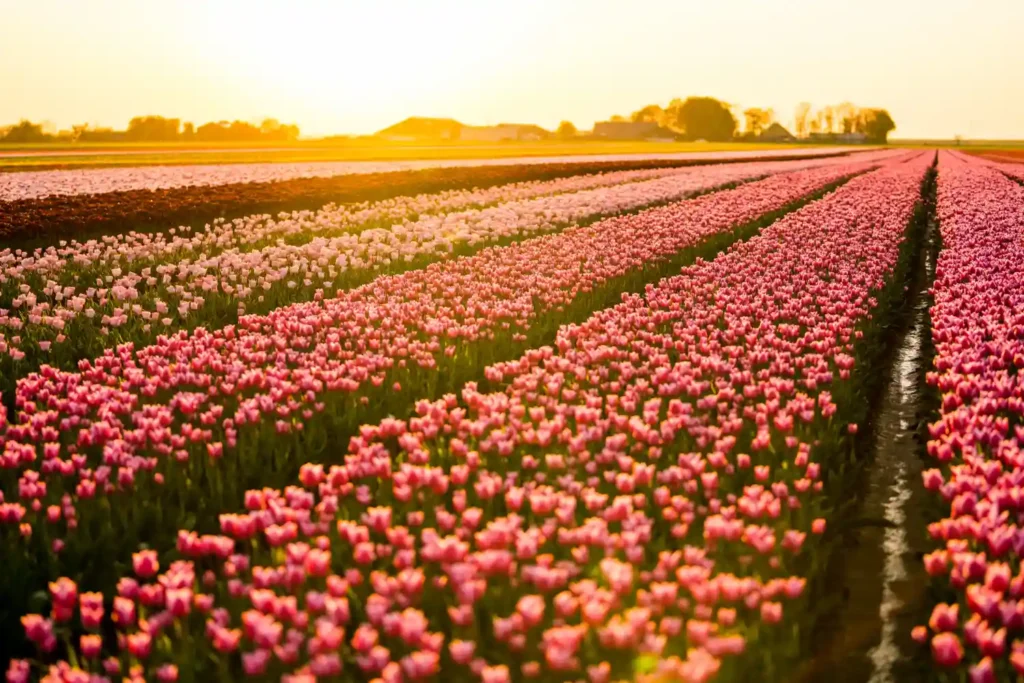
Flower Farm
A successful flower farm operates as a complex ecosystem where precise cultivation techniques meet natural growth cycles.
A successful flower farm operates as a complex ecosystem where precise cultivation techniques meet natural growth cycles.

Healthy plants start with nutrient-rich dirt. Farmers test pH levels and add organic compost to create the perfect foundation for deep root systems.
Microorganisms in the ground break down this organic matter into usable plant food. This biological process ensures strong stems and builds natural resistance to common agricultural diseases.
Different plant varieties require specific temperature ranges and daylight hours to initiate the budding phase.
Cool-weather crops break through the thawing ground as daylight increases. Agricultural teams monitor late frost warnings and utilize protective covers to shield tender shoots.
Heat-loving varieties explode into rapid growth during long summer days. Consistent irrigation systems deliver water directly to the base of the plants to prevent leaf scorch.
Shorter days signal perennial plants to store energy in their root systems. Growers harvest the final late-season blooms and begin planting bulbs for the following year.
The fields lie dormant while snow insulates the resting perennial roots. Farm managers use this quiet time to map crop rotations and order seeds for the next cycle.
Consistent moisture levels dictate the success of field-grown crops. Drip irrigation lines deliver precise amounts of water straight to the root zones.
This targeted watering method conserves vital resources and keeps foliage dry. Dry leaves stop fungal spores from taking hold during humid weather conditions.
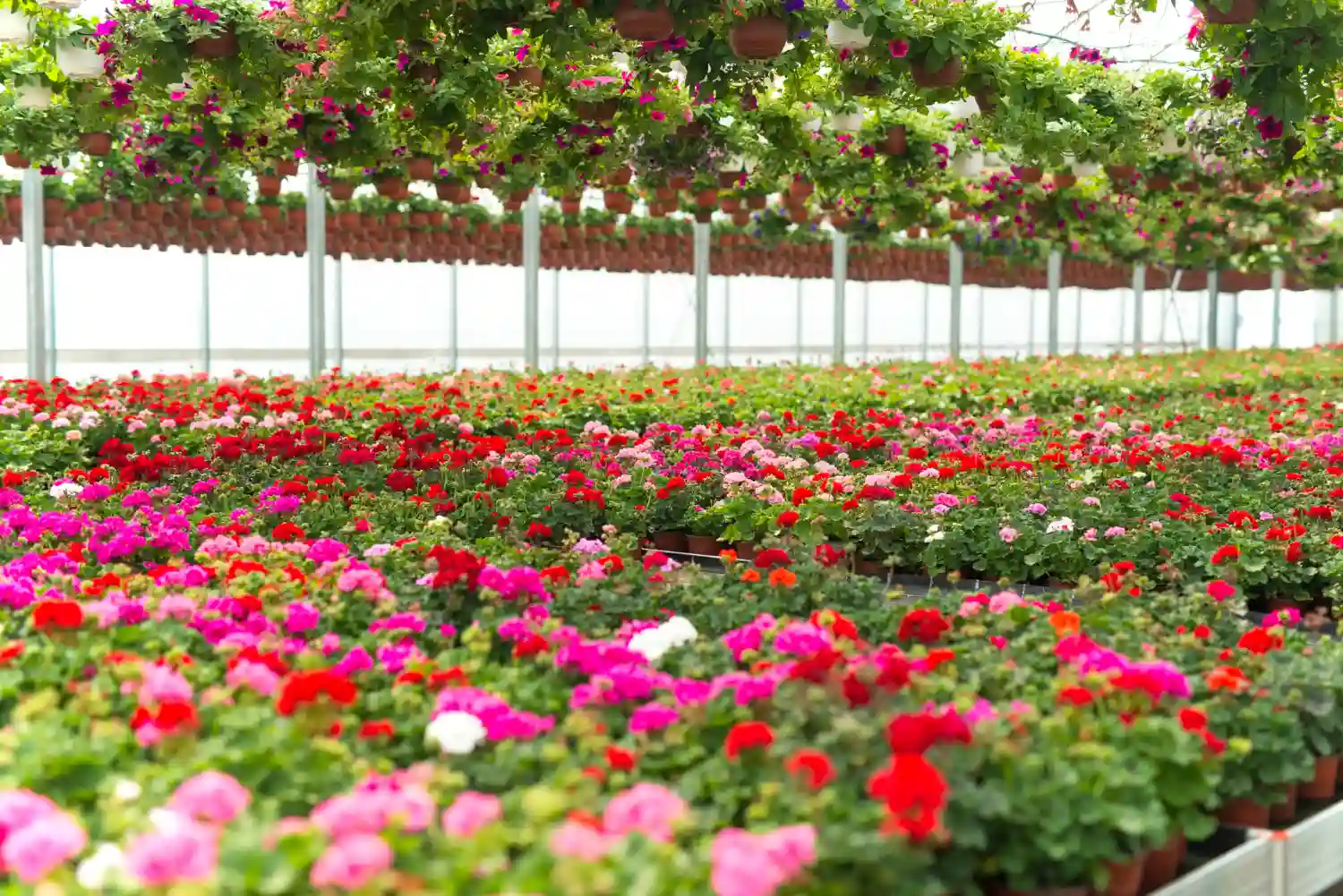
Natural predator insects keep destructive bug populations under strict control. Ladybugs and lacewings act as a primary defense system against aphids and mites.
Companion planting confuses pests through varied scents and textures. Marigolds and alliums deter nematodes and beetles from targeting vulnerable crops.
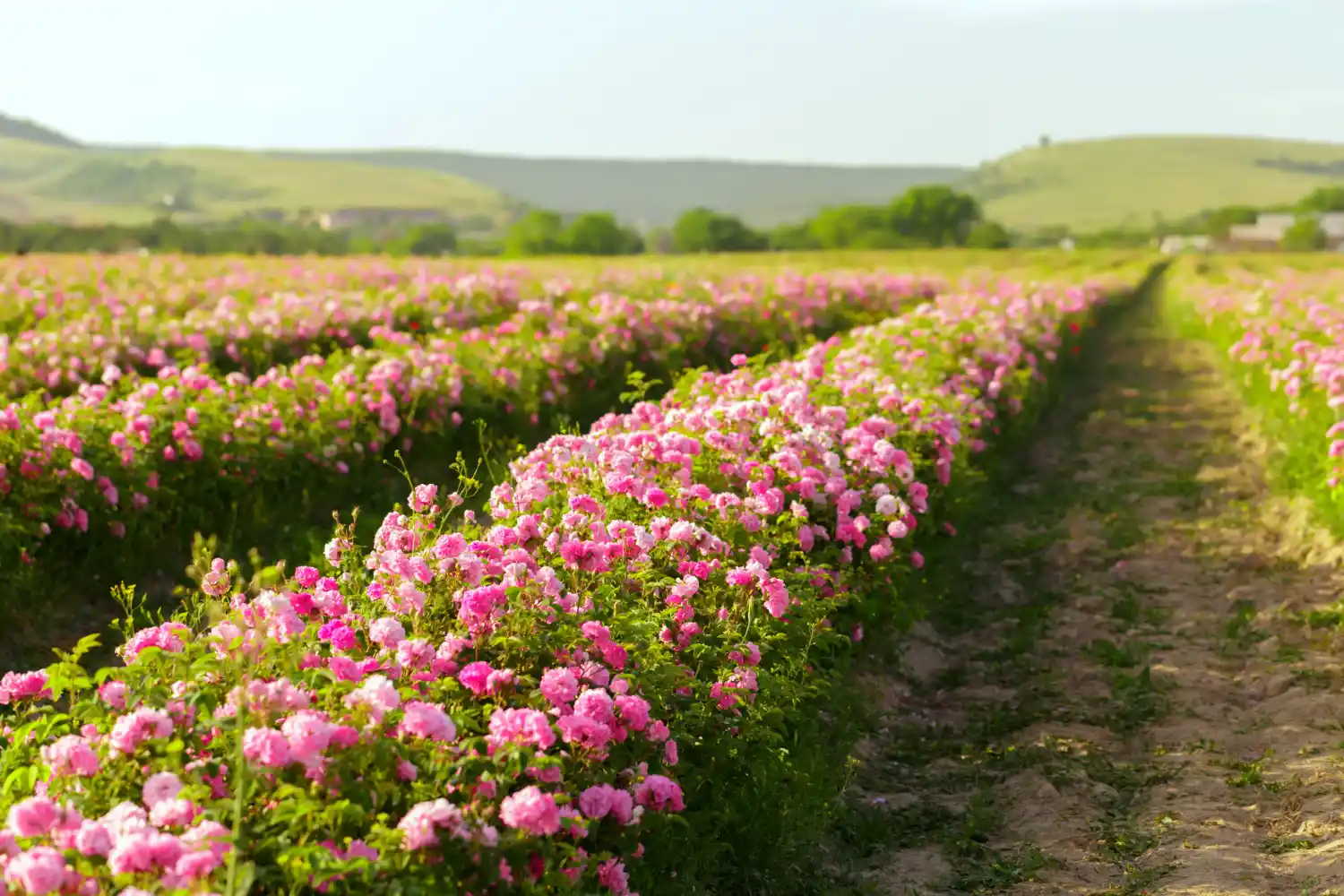
Harvest timing drastically affects the vase life of any blossom. Field workers cut stems during the coolest parts of the morning to retain maximum cellular hydration.
Sharp sanitized tools create clean cuts that absorb water easily. Crushed stems invite bacterial growth and block the vascular tissues from taking up nutrients.
Workers immediately plunge the freshly harvested stems into clean buckets of cool water. Rapid field-to-cooler transfer removes field heat and stops the aging process.
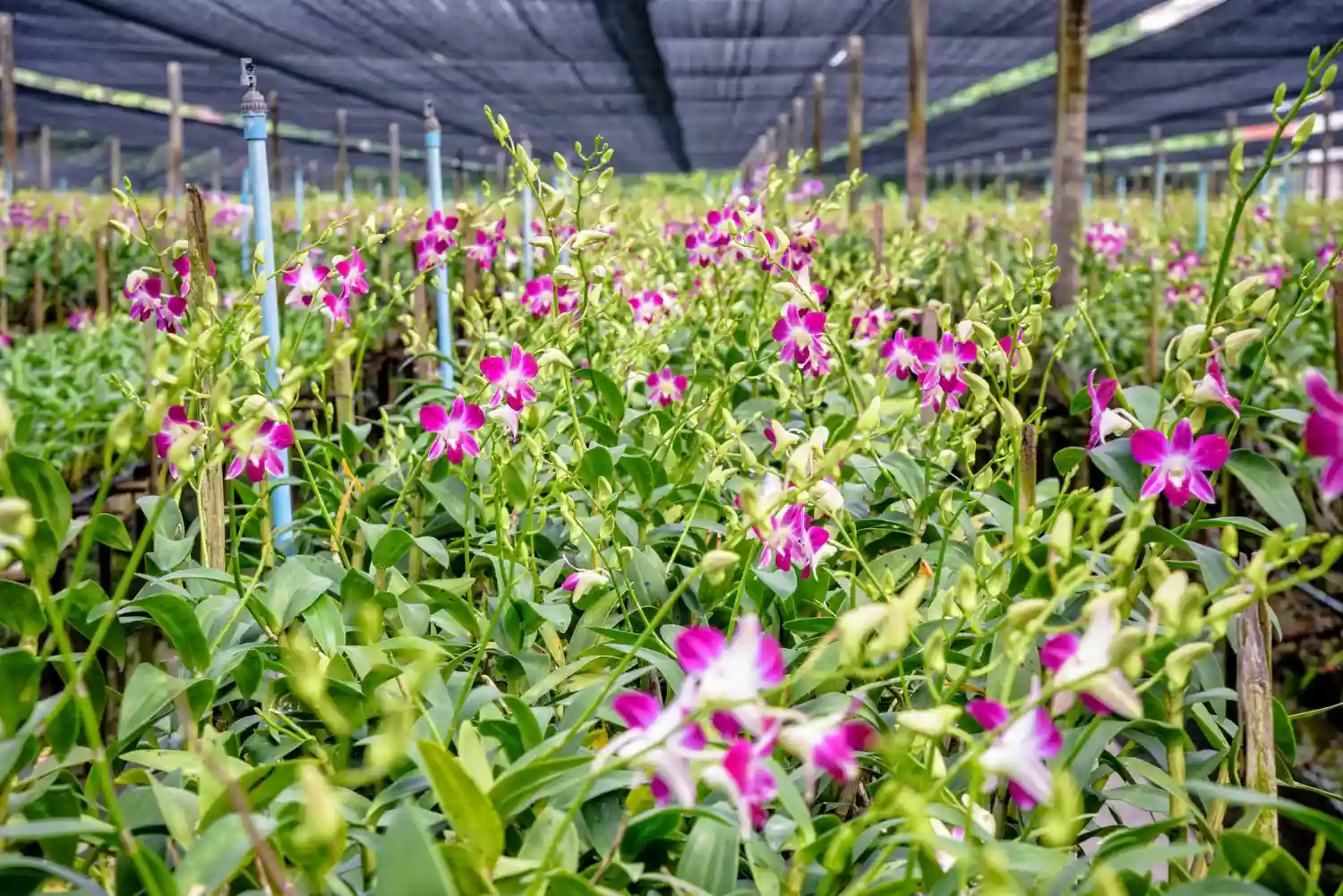

Temperature control represents the most critical factor in post-harvest biology. Large floral coolers maintain temperatures just above freezing to slow plant respiration rates.
Stripping the lower foliage prevents leaves from rotting in the storage buckets. Clean water remains essential, so farm hands scrub every bucket with disinfectants between uses.
Proper hydration solutions feed the cut stems while keeping bacterial counts low. These specific mixtures mimic the nutrients the plant would normally receive from its natural root system.
Studying botany and agricultural science provides the necessary foundation for solving daily challenges in the fields. Essay writing platforms with ai essay checker Essaypro deliver assignments that meet high standards for coherence, accuracy, and adherence to academic conventions.