
Understanding Biological Scarcity
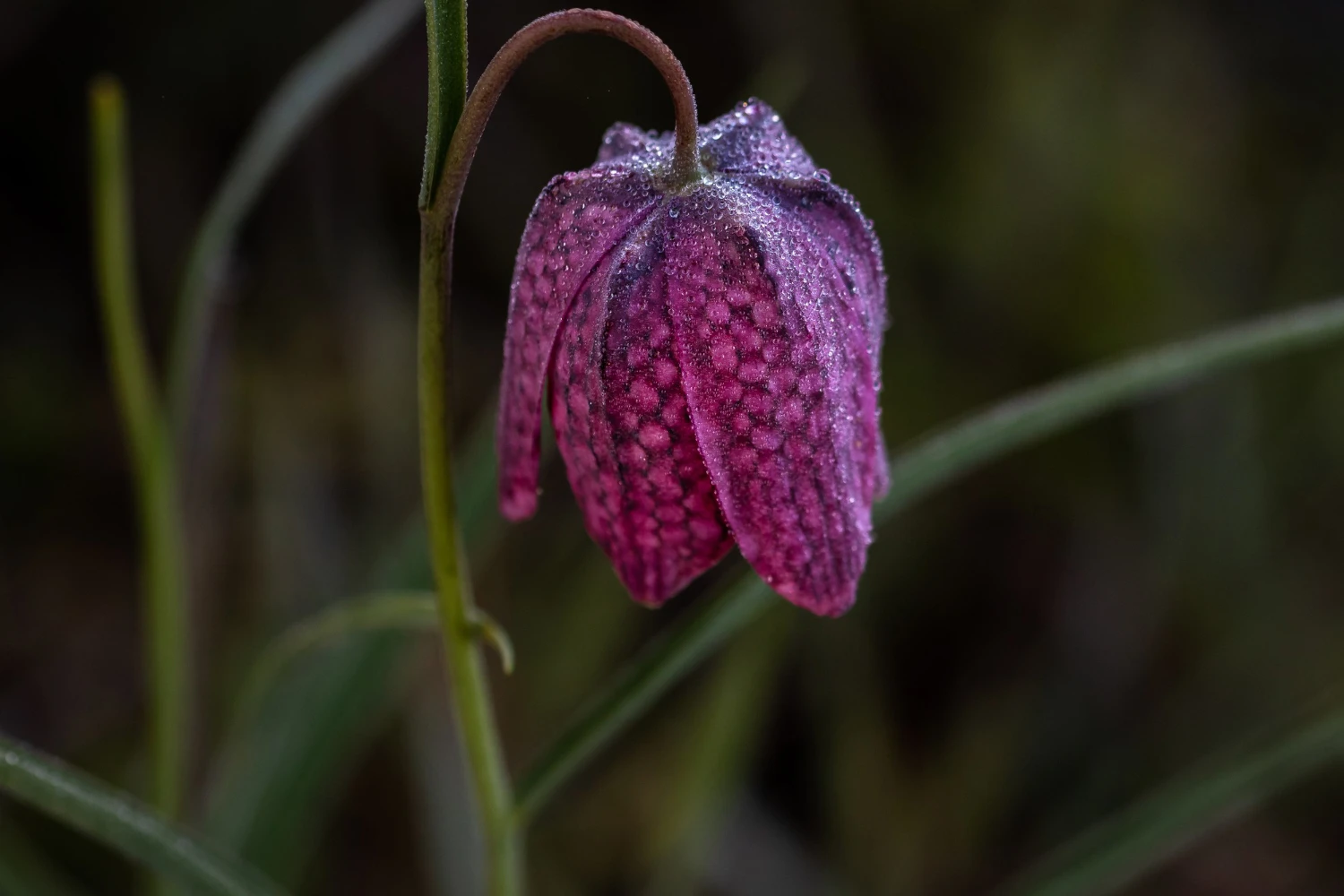
A rare flower often develops highly specific biological traits to survive in an isolated environment. Botanists classify these specimens based on their limited geographic range and unique ecological requirements.
Environmental Isolation
Geographic barriers like tall mountain ranges or vast oceans trap certain plant populations in very small ecosystems. These isolated plants evolve specialized root systems and leaf structures that only function within their exact microclimates.
This extreme biological focus makes them highly vulnerable to sudden environmental shifts. A slight change in soil acidity or average rainfall can easily destroy an entire localized species.
Famous Uncommon Species

The Corpse Flower
This massive botanical giant produces a powerful odor resembling decaying flesh to attract scavenging beetles. It stores energy underground for several years before producing a single enormous blossom.

The Ghost Orchid
This leafless plant anchors itself directly to tree bark in humid swamp environments. It relies entirely on a specific local fungus to process nutrients from the wet atmospheric air.

The Jade Vine
This climbing plant produces striking turquoise floral clusters high up in tropical rainforest canopies. Local bat populations act as the sole pollinators for these hanging botanical structures.

The Chocolate Cosmos
This deep red perennial emits a strong scent of rich cocoa during warm summer afternoons. Botanists preserve this specific plant through careful cloning since it no longer produces viable seeds.
Botanical Conservation Efforts
Agricultural scientists actively develop new methods to protect endangered plants from total extinction. They maintain controlled seed banks to preserve the genetic diversity of vulnerable populations.
Habitat Protection
Conservation groups purchase sensitive land areas to stop commercial development over delicate root zones. They actively remove invasive weeds that compete with native plants for sunlight and soil nutrients.
Controlled Propagation
Greenhouse technicians take tiny tissue samples from endangered plants to grow perfect genetic copies in sterile labs. This advanced cloning technique bypasses the need for natural seed germination.
Pollinator Restoration
Many scarce blooms rely on just one specific insect species for successful reproduction. Biologists breed and release these crucial insects to ensure the natural fertilization cycle continues without interruption.
The Future Of Plant Diversity
Studying uncommon flora helps researchers understand complex biological relationships within natural ecosystems. Lady Luck Flora encourages students to support local conservation programs that protect these fragile botanical treasures for future generations.