
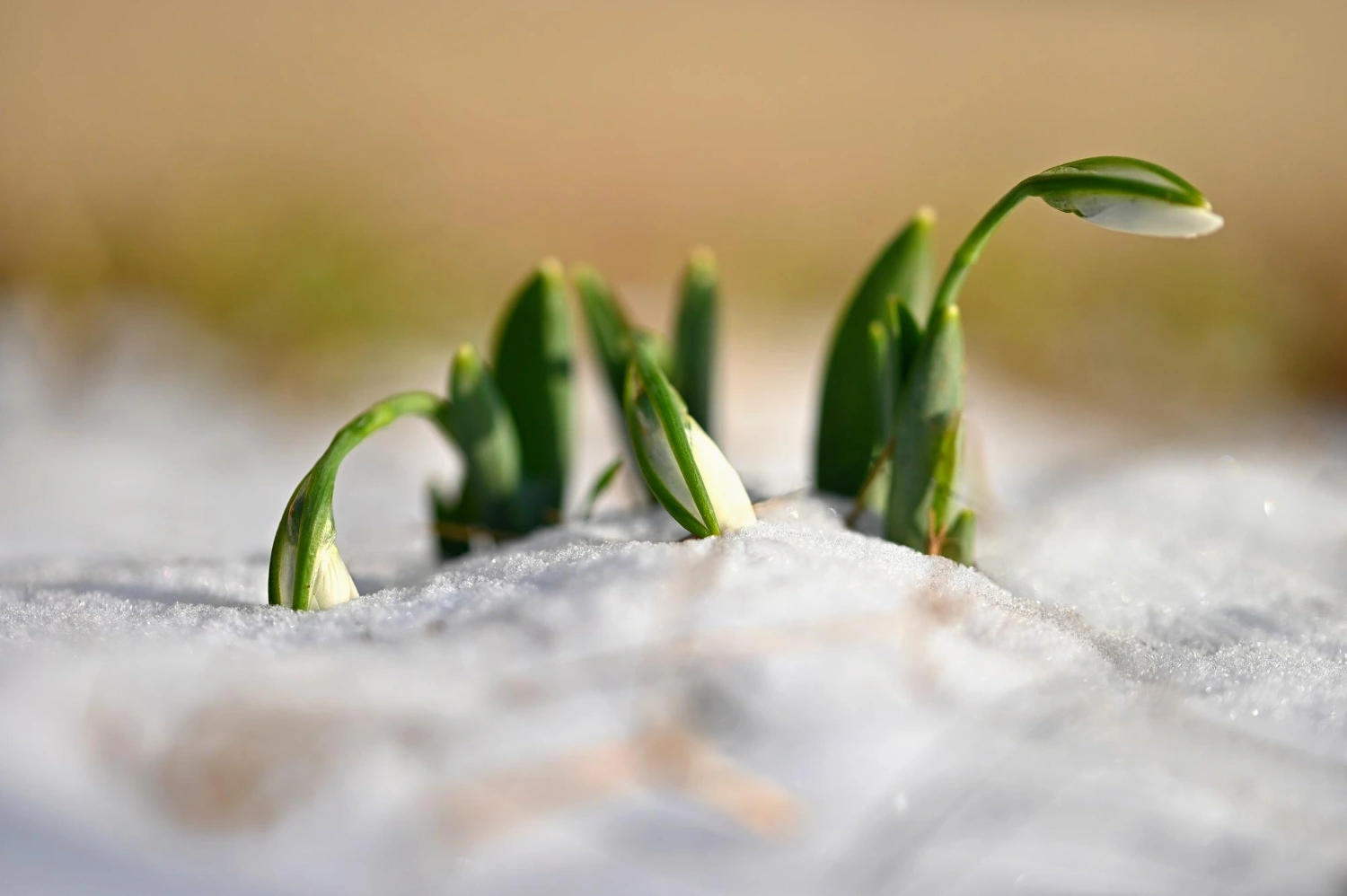
Understanding the exact stages of flower growth provides crucial insights into botanical science and daily agricultural practices. Every plant follows a strict biological timeline from a dormant seed to a fully mature blossom.
Students and farm managers monitor these developmental phases to ensure optimal plant health in the fields. Identifying each specific growth stage allows growers to provide the correct nutrients at the perfect time.
The Anatomy Of A Dormant Seed
A dry seed contains a tiny embryonic plant waiting for the correct environmental triggers. A tough outer shell protects this fragile biological package from physical damage and winter weather.
The seed rests in a state of suspended animation to survive harsh conditions without requiring external food sources. It waits patiently for rising spring temperatures and consistent soil moisture to break this deep dormancy.
The Role Of Soil Temperature
Soil temperature dictates the exact timing of the initial biological awakening. Cold dirt keeps the internal enzymes inside the seed completely inactive.
Agricultural teams place specialized thermometers deep in the planting beds to predict the first spring emergence. Warm soil activates the cellular machinery required for rapid early root production.
The Germination Sequence
Water absorption acts as the primary catalyst for all new plant life. The hard seed absorbs moisture from the surrounding earth and begins to swell rapidly.
This rising internal pressure eventually splits the protective shell open. The primary root emerges first and pushes downward to anchor the new organism in the topsoil.
The exact moment a seedling breaks the soil surface represents the most vulnerable point in a plant’s entire life cycle.
Soon after the root establishes a firm hold, a pale green shoot reaches upward toward the sunlight. Two temporary seed leaves unfurl to begin the very first round of solar energy collection.
Building The Root Infrastructure
Roots perform two vital jobs during the early weeks of crop development. They extract dissolved minerals from the earth and provide structural stability against strong spring winds.
Some plant species send a thick central taproot deep into the ground to locate hidden underground moisture reserves. Other flower varieties spread a wide net of thin fibrous roots near the surface to catch light morning rainfall.
Beneficial soil fungi attach themselves directly to these growing root networks. These microscopic organisms exchange essential soil nutrients for the sweet sugars the plant produces.
Water Transport Mechanics
The growing plant moves water against gravity using a highly complex internal plumbing system. Long hollow cellular tubes pull moisture from the deep roots all the way up to the highest growing tips.
Transpiration drives this incredible upward movement of heavy liquid. As water evaporates from the leaf surfaces, it creates a powerful vacuum that pulls more water up the main stem.
The Vegetative Growth Period
The plant directs all its available energy toward producing green foliage during the vegetative phase. Stems grow much thicker and branch out to support a heavy canopy of mature leaves.
Chlorophyll inside the leaves captures incoming solar radiation and converts atmospheric carbon dioxide into usable carbohydrates. This internal chemical process fuels the rapid physical expansion of the entire biological structure.
Farmers monitor soil nitrogen levels very carefully during this green growth period. A healthy vegetative structure guarantees a strong foundation for future heavy floral production.
Specialized Leaf Structures
Leaves function as highly efficient solar panels during the entire vegetative growth phase. Their flat and wide shapes capture the maximum amount of available sunlight throughout the day.
A thick waxy coating on the top surface prevents the leaf from drying out on excessively windy afternoons. Tiny cellular openings on the bottom surface open and close constantly to regulate oxygen and carbon dioxide exchange.
Managing Light Exposure
Photosynthesis requires specific wavelengths of light to function at peak biological efficiency. Red and blue light spectrums drive the chemical reactions that build strong agricultural crops.
Greenhouse managers use specialized artificial lighting systems to extend the natural growing day for early spring crops. Extra hours of intense light accelerate the vegetative phase and produce much larger final plants.
The Importance Of Strategic Pruning
Farm workers actively intervene during the growth cycle to manipulate the final shape of the crop. Removing the central apical stem forces the young plant to send out multiple side branches.
This simple agricultural technique turns one tall straight stalk into a bushy plant with dozens of smaller potential blossoms. Proper early pruning maximizes the final harvest yield per square foot of available field space.
Chemical Triggers For Reproduction
Plants use complex internal biological clocks to track the changing external seasons. Special light receptors in the upper leaves measure the exact length of daily darkness.
When the autumn nights reach a specific duration, the plant undergoes a massive internal chemical shift. Hormones travel down from the leaves to the growth tips to signal the immediate end of the vegetative cycle.
The plant stops growing taller and redirects its internal energy reserves toward reproduction. This invisible chemical transition entirely dictates the success of the upcoming harvest season.
Bud Formation And Protection
Tiny green nodes soon appear at the extreme tips of the mature stems. These compact botanical structures hold all the miniature components of the future adult blossom.
Thick green sepals tightly wrap the developing bud to protect the delicate internal reproductive tissues. This tough outer defensive layer guards against hungry chewing insects and unpredictable late spring frosts.
Inside the dark bud, the plant constructs complex reproductive organs and highly colored petals. The main stem swells directly beneath the bud to support the final heavy weight of the open flower.
The Anthesis Process
Anthesis describes the precise biological moment when a tight flower bud finally opens. The protective sepals peel backward slowly to reveal the tightly packed internal petals.
Water pressure fills the individual petal cells and forces them to expand outward in a specific geometric pattern. This rapid cellular expansion transforms a small green sphere into a wide display of striking color.
The plant unfurls its central structures to expose the pollen-heavy anthers to the open air. The sticky female stigma stands completely ready to receive foreign genetic material from visiting insects.
Pollinator Attraction Strategies
Flowers employ sophisticated biological tactics to guarantee successful insect cross-pollination. Many field species release complex chemical scents that travel extremely long distances on the wind.
Specific wide petal shapes act as convenient landing pads for heavy bumblebees and delicate passing butterflies. Some specialized blossoms feature ultraviolet nectar guides that remain completely invisible to the human eye.
These hidden visual markers point thirsty insects directly toward the deep nectar reserves. The visiting bugs unknowingly brush against the pollen structures while they feed on the sweet liquid.
Fertilization And Seed Development
A single pollen grain travels down the long style tube after landing on the receptive stigma. This microscopic journey ends when the genetic material finally reaches the hidden ovary at the base of the bloom.
Successful fertilization immediately triggers another dramatic physical change in the plant’s biology. The colorful petals quickly dry up and fall away since they no longer serve a useful biological purpose.
The lower ovary swells rapidly as it transforms raw plant nutrients into a hard protective casing for the new seeds. The mother plant channels all its remaining energy into fully maturing this next genetic generation.
Biological Senescence
Annual plants experience complete systemic biological shutdown after they finish producing their seed pods. The lower leaves turn yellow as the plant reclaims all remaining nitrogen and pulls it into the seeds.
Main stems dry out completely and turn highly brittle under the late summer sun. This natural programmed death phase ensures the seeds dry completely before the damp autumn rains arrive.
The decaying plant matter eventually falls to the dirt and begins to decompose naturally. Soil bacteria break this raw organic material down to feed the next generation of spring sprouts.
Preparing For Winter Survival
Perennial plant species sense the rapidly dropping autumn temperatures and prepare for extreme cold weather. They pump natural antifreeze compounds into their root cells to prevent fatal ice crystals from forming underground.
The above-ground foliage dies back completely to protect the vulnerable core of the perennial plant. A thick layer of fallen organic mulch helps insulate the sleeping roots until warm weather returns.
Comparing Plant Life Cycles
Botanists categorize all plant growth timelines based on how quickly they complete these developmental stages.
Plant Category | Growth Duration | Reproductive Strategy Annual Species | One single season | Maximum seed production before winter death Biennial Varieties | Two full years | First year foliage growth with second year blooms Perennial Plants | Multiple decades | Deep root survival with yearly repeating floral cycles
Environmental Stress Factors
External weather conditions constantly challenge a crop as it moves through its necessary growth stages. Extreme summer heat causes rapid moisture loss through the tiny pores in the leaves.
The plant closes these pores to conserve internal water, which temporarily halts the entire photosynthesis process. Extended drought periods force the stressed plant to drop its developing buds to save the main stalk.
Heavy unseasonable rains easily drown developing root systems and invite destructive fungal spores. Agricultural managers constantly adjust field drainage conditions to mitigate these severe environmental threats.
Practical Applications For Field Growers
Understanding these exact developmental stages allows farmers to time their agricultural interventions perfectly. Field workers apply specific organic fertilizers only when the crop reaches the critical budding phase.
Harvest teams cut the flower stems precisely at the early anthesis stage to guarantee maximum vase life. Cutting too early stops the petals from opening properly, while cutting too late invites rapid bacterial decay.
Students of botany use these distinct growth stages to study plant pathology and complex cellular biology. Lady Luck Flora provides a living field laboratory to observe these fascinating botanical transitions firsthand.